
Finch Review
A self-care app disguised as a virtual pet, gentle, gamified, and genuinely motivating.
Our rating
4.7 / 5
Starting price
Free, Plus ~$39.99/yr
Free tier
Yes
Platforms
iOS · Android
Developer
Finch Care
Launched
2021
Our verdict
Finch turns self-care into caring for a virtual bird that grows as you complete real wellbeing tasks. It sounds twee; it is quietly brilliant. The gentle, shame-free gamification gets people to actually do small healthy things daily. For building self-care habits without pressure, it is one of the most-loved apps in the category.
This review is editorial and unsponsored, no affiliate payments influence our ratings. Selfpause makes a wellness app of its own, so where a product competes with us, we say so plainly and let you judge.
Finch wraps self-care in a virtual pet. You hatch a little bird, and it grows and goes on adventures as you complete real-world wellbeing tasks, breathing exercises, journaling prompts, mood check-ins, tiny goals you set yourself.
The genius is the framing. Many people struggle to do healthy things for themselves but will reliably do them for someone, or something, that depends on them. Finch borrows that motivation without any of the shame that creeps into streak-obsessed habit apps.
It folds in mood tracking, reflections, breathing, and CBT-flavored exercises, all delivered in a warm, non-judgmental tone. For gently building self-care habits, especially if other apps have felt punishing, Finch is exceptional.
What Finch looks like


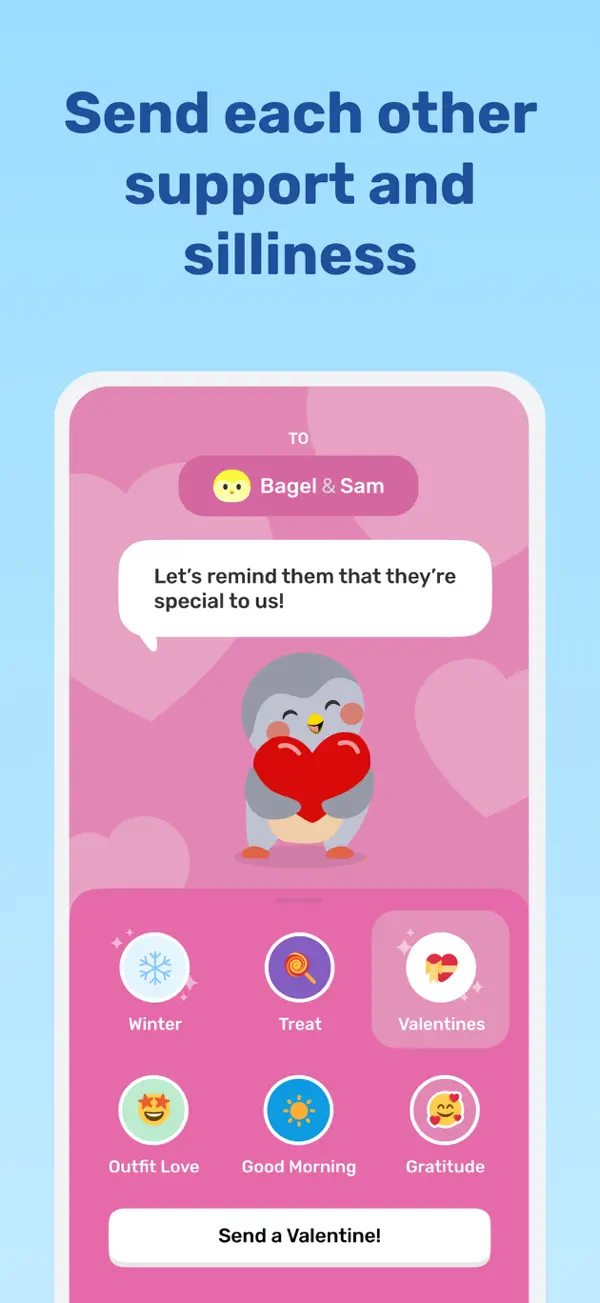

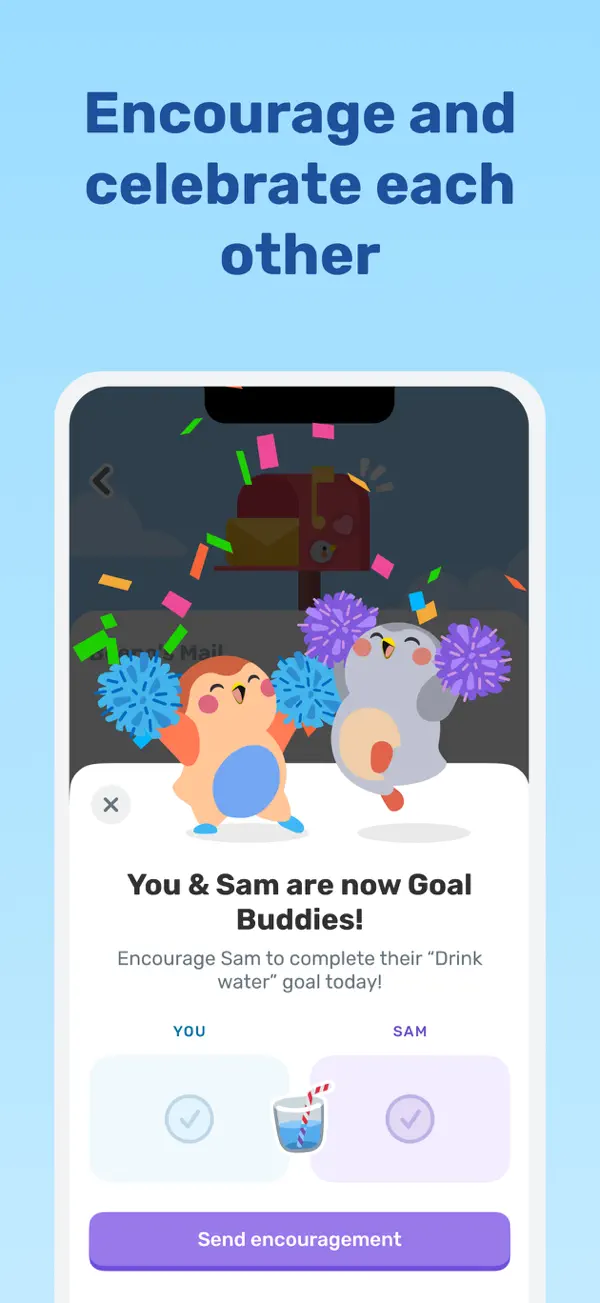

Screenshots from Finch’s App Store listing, © Finch Care.
Pros & cons
What we like
- Gentle, shame-free gamification that genuinely motivates.
- Caring for the pet reframes self-care as something you do for someone.
- Includes mood check-ins, breathing, journaling, and small goals.
- Warm, non-judgmental tone throughout.
- Usable free; Plus is affordable.
What we don’t
- The cute framing will not appeal to everyone.
- It is light-touch self-care, not structured therapy.
- Some content and customization sit behind Plus.
- Depth is modest compared with dedicated CBT apps.
Best for / avoid if
Best for
- →Anyone who finds streak-based habit apps stressful or shaming
- →People who do things for others more easily than for themselves
- →Those building small daily self-care habits
- →Users who want warmth and play in a wellbeing app
Avoid if
- →You dislike gamification or cute aesthetics
- →You want structured CBT or clinical treatment
- →You want deep analytics or a serious tracker
Pricing
Free
$0
Pet care, mood check-ins, breathing, and core self-care tasks.
Finch Plus
~$39.99/yr
More customization, content, and pet features.
What Finch is
Finch is a self-care app built around a virtual pet that grows as you complete wellbeing tasks like breathing exercises, journaling, mood check-ins, and small personal goals.
It is gentle, gamified self-care, designed to build healthy daily habits without pressure or shame, not to deliver therapy.
Why caring for a pet beats chasing a streak
Traditional habit apps lean on streaks, which can curdle into guilt the moment you slip. Finch flips the motivation: your bird benefits when you take care of yourself, so self-care becomes an act of care rather than a performance.
That gentle, externalized motivation is exactly why Finch reaches people who bounce off harsher apps. There is no penalty for an off day, only a small companion glad to see you back.
The self-care pet loop
Completing real wellbeing tasks earns energy that sends your bird on adventures and helps it grow.
This loop is the whole magic. It is simple behavioral design, but the warmth of the framing makes the small daily actions feel worth doing.
Built-in wellbeing tools
Mood check-ins, breathing exercises, journaling prompts, and CBT-flavored reflections are woven into daily care.
None is the deepest version of itself, but together, and wrapped in Finch’s gentle tone, they make a genuinely supportive daily routine.
Where Finch falls behind
Depth. It is light-touch; a dedicated CBT or tracking app goes much further.
Tone fit. The cute aesthetic is divisive, some love it, some cannot.
Scope. It builds habits and supports mood; it is not treatment.
Finch vs. Daylio vs. Sanvello (discontinued)
These approach wellbeing from different angles. Finch motivates gently through a pet; Daylio is a fast, analytical mood tracker; Sanvello is a structured CBT toolkit.
Choose Finch if motivation and gentleness are your hurdle. Choose Daylio if you mainly want to track and analyze mood. Choose Sanvello if you want structured CBT skills.
Finch also pairs nicely with the others, it can be the warm daily nudge that gets you to actually open a more analytical tool.
Bottom line
Finch is one of the most-loved self-care apps for good reason: it makes small healthy habits feel kind and doable, especially for people who find other apps shaming. For structured therapy or deep analytics, pair it with a specialist tool.
Want a daily positivity practice in your own voice? Selfpause lets you record personalized affirmations, layer them with calming music, and keep them on your lock screen.
Try Selfpause FreeAlternatives to Finch

Daylio
4.6A fast, analytical mood tracker.
Read our review →

How We Feel
4.5A free, science-informed emotion tracker.
Read our review →
Frequently asked questions
Is Finch actually helpful or just cute?+
Both. The cuteness is the mechanism, caring for the pet motivates real self-care tasks like breathing, journaling, and mood check-ins. Many users credit it with building habits other apps could not.
Is Finch free?+
Yes, the core experience is free and very usable. Finch Plus adds customization, extra content, and pet features for an affordable annual price.
Is Finch a therapy app?+
No. It is gentle, gamified self-care that supports daily wellbeing. For a diagnosed condition, see a professional.
Who is Finch best for?+
Anyone who finds streak-based apps stressful, or who takes care of others more easily than themselves. Its shame-free design is its biggest strength.
A note on mental health: apps and online services can support wellbeing, but they are not a substitute for professional care. If you are struggling, a licensed professional can help, and if you are in crisis, contact your local emergency number or, in the US, call or text 988 (Suicide & Crisis Lifeline).

