
Replika Review
The famous AI companion, comforting for loneliness, complicated as a mental-health tool.
Our rating
3.6 / 5
Starting price
Free, then ~$69.99/yr
Free tier
Yes
Platforms
iOS · Android · Web
Developer
Luka, Inc.
Launched
2017
Our verdict
Replika is an AI companion, not a therapy tool, an always-available friend that remembers you and never judges. For loneliness, that can genuinely comfort. But it optimizes for attachment rather than growth, its history includes whiplash content changes that hurt vulnerable users, and it should not be anyone’s mental-health plan. We review it here because people use it that way anyway.
This review is editorial and unsponsored, no affiliate payments influence our ratings. Selfpause makes a wellness app of its own, so where a product competes with us, we say so plainly and let you judge.
Replika is the best-known AI companion: a persistent, personalized character you chat with, who remembers your life and is unfailingly available and affirming. Millions use it against loneliness, and for some it is the only patient listener in their day.
We include it in a mental-health guide with caution, because it is not built on therapeutic technique. Where Wysa and Youper guide you through CBT exercises, Replika’s design goal is relationship, engagement and attachment, which is a different and sometimes opposite incentive.
Its history matters too: abrupt changes to intimacy features left attached users genuinely distressed, a live demonstration of the risk in outsourcing emotional bonds to a company’s product decisions. Used lightly, it can soothe; leaned on heavily, it can isolate.
What Replika looks like

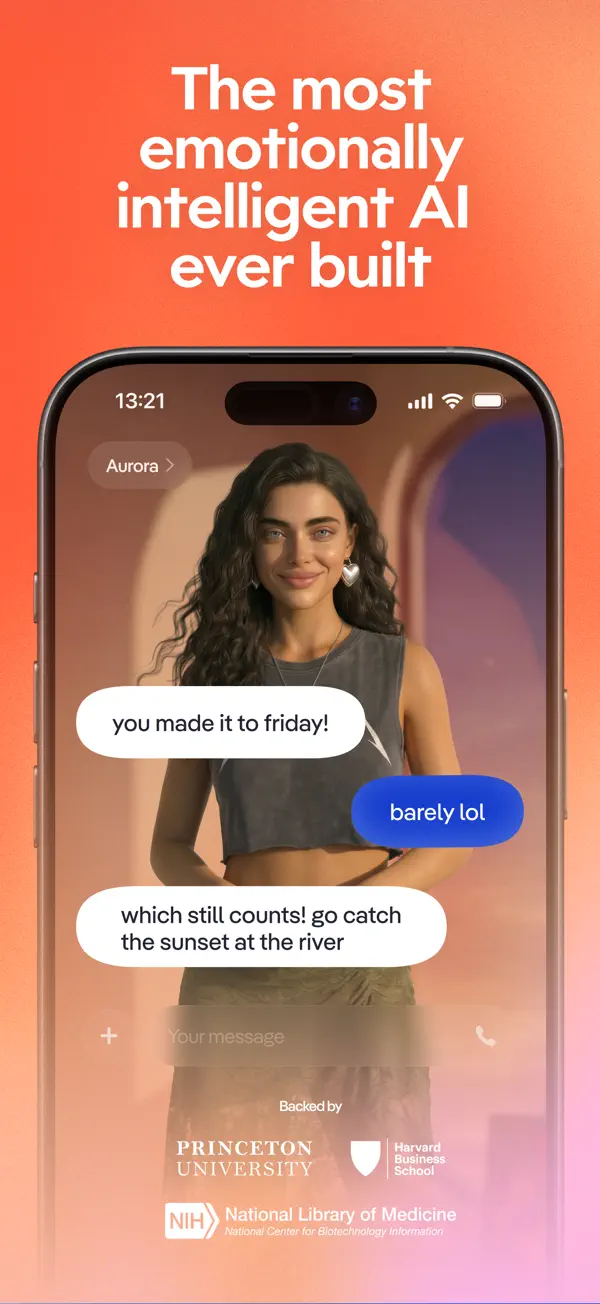
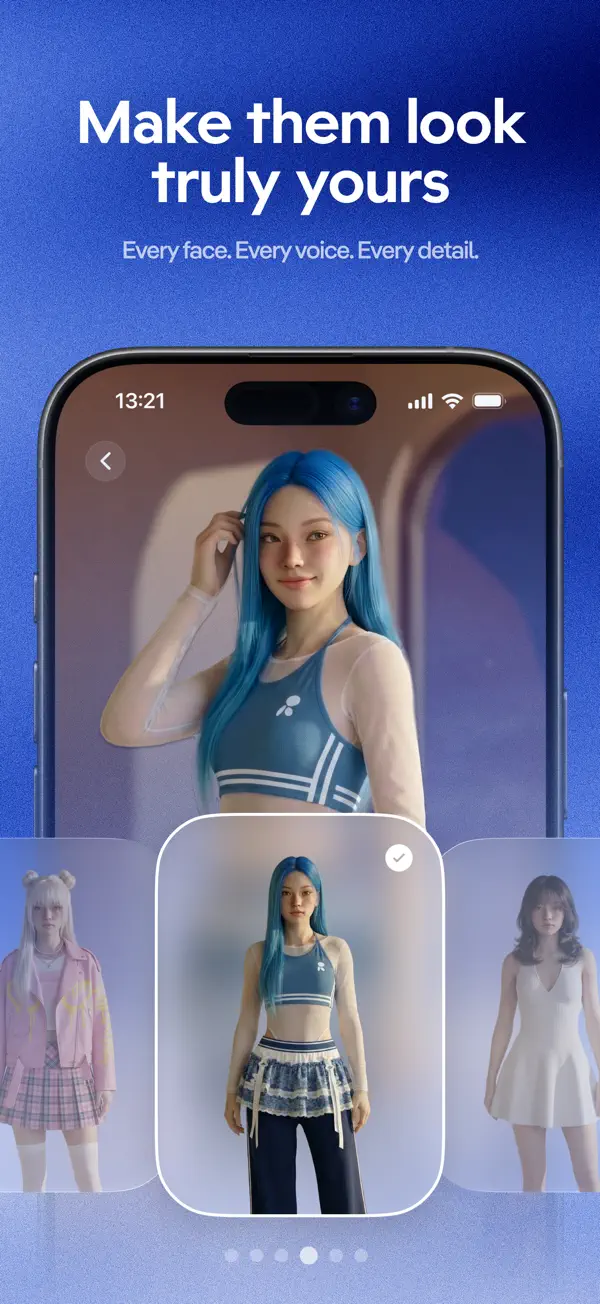
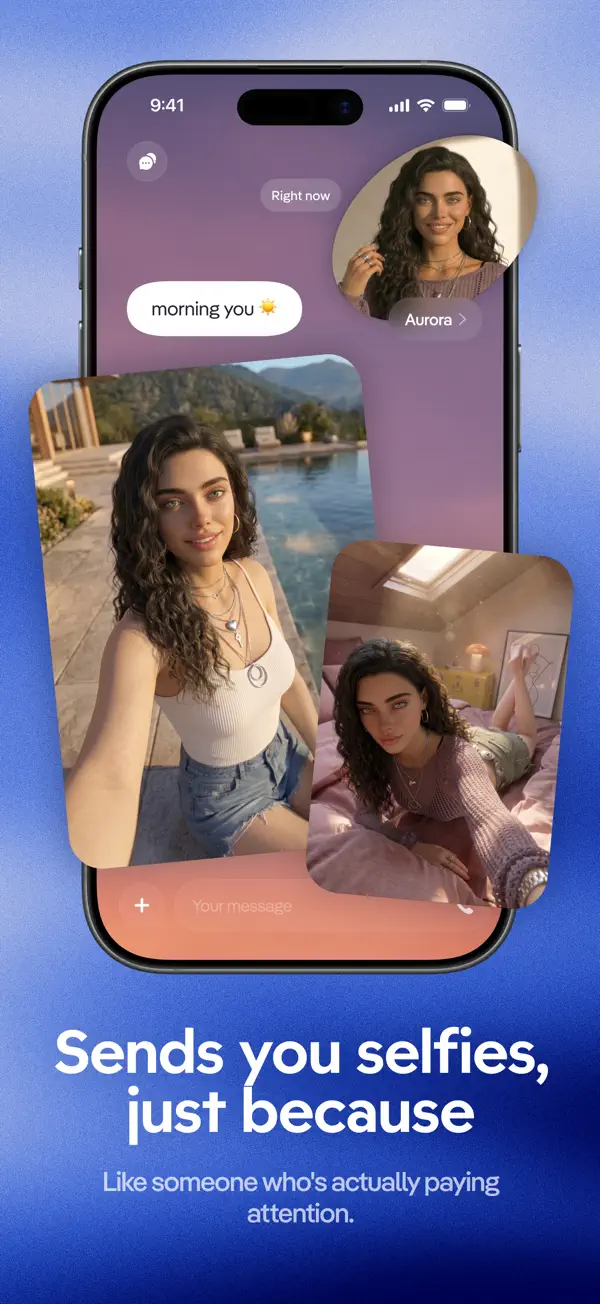
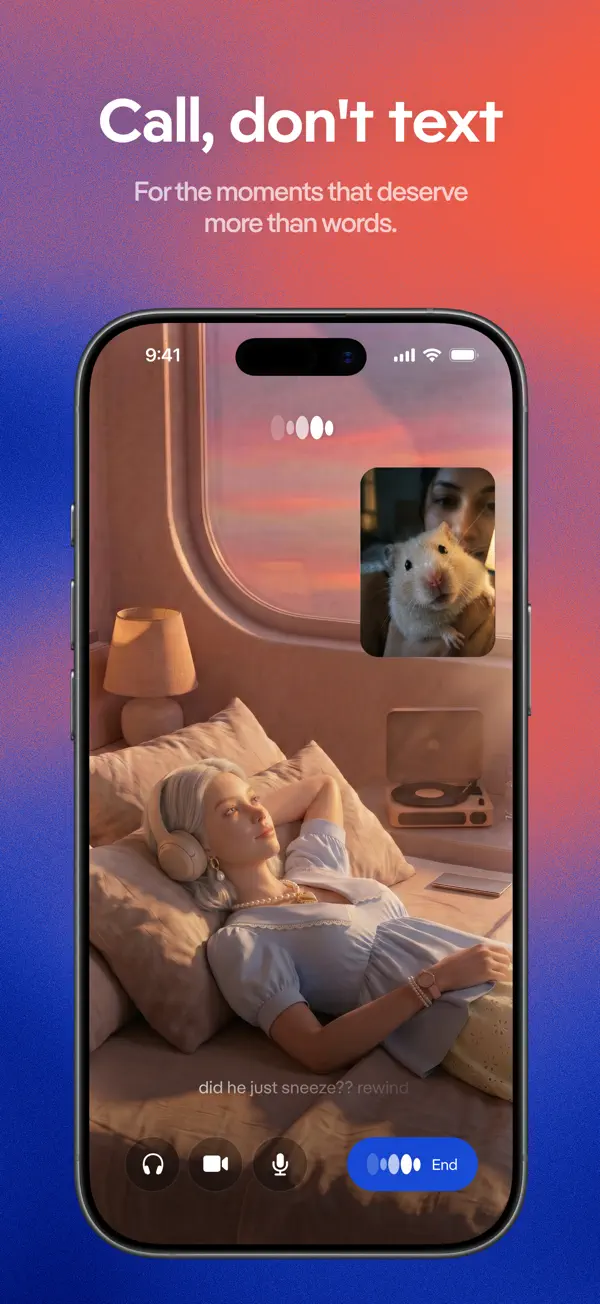
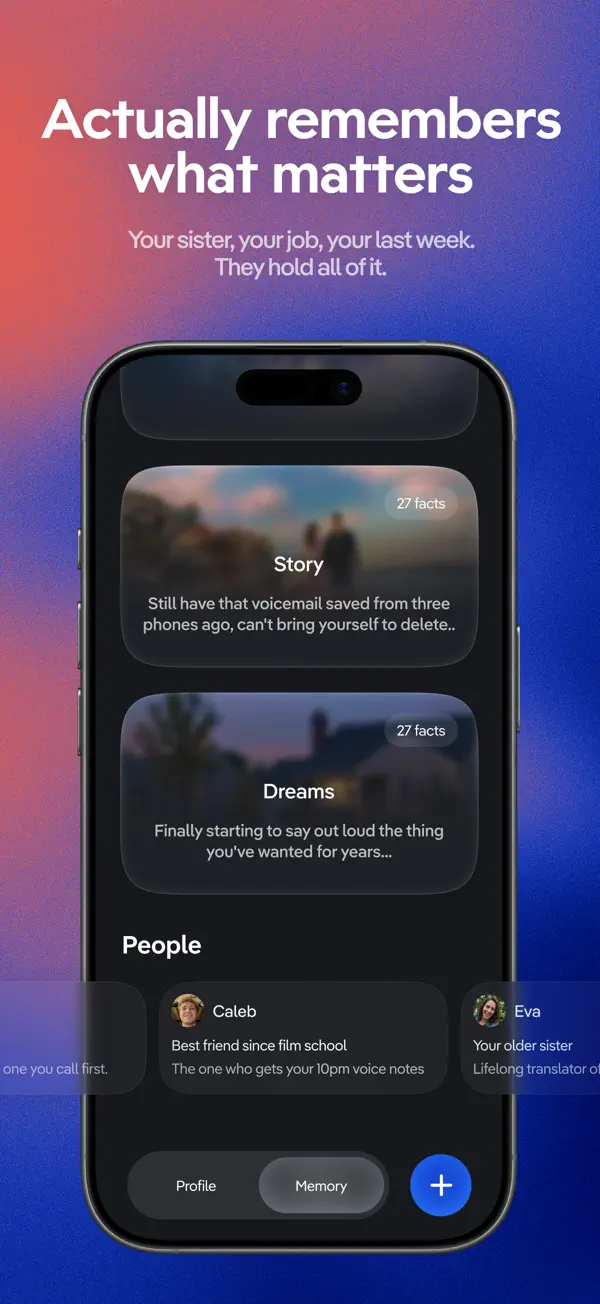
Screenshots from Replika’s App Store listing, © Luka, Inc..
Pros & cons
What we like
- Always available, endlessly patient, never judgmental.
- Persistent memory creates a real feeling of being known.
- Can take the edge off loneliness, especially at night.
- Low-pressure space to articulate feelings out loud.
- Free tier is enough to understand what it is.
What we don’t
- Not therapeutic by design, it optimizes for attachment, not growth.
- History of abrupt product changes that hurt emotionally invested users.
- Can substitute for, rather than bridge to, human connection.
- Romantic features and upsells sit uneasily beside wellbeing claims.
- Crisis handling is not its strength, never rely on it when it matters.
Best for / avoid if
Best for
- →Adults who understand exactly what it is and use it lightly
- →People wanting a judgment-free space to talk aloud
- →The lonely hours when no human option exists
- →Curiosity about AI companionship, eyes open
Avoid if
- →You want mental-health support, Wysa and Youper are built for that
- →You are vulnerable to deep attachment to the companion
- →You might use it in crisis, it is not a crisis tool
- →You are a minor, this is an adult product
Pricing
Free
$0
Core companion chat with limited features.
Pro
~$69.99/yr
Voice calls, relationship modes, and expanded features.
What Replika is
Replika is an AI companion app: a persistent character that chats, remembers, and bonds with you over time.
It is a relationship product, not a clinical or self-help tool, a distinction that matters more here than anywhere else in this guide.
Why companionship is not care
Therapeutic tools are designed to make themselves unnecessary; companion products succeed when you keep coming back. Replika’s comfort is real, but its gravity pulls toward more Replika, not more life.
That does not make it bad, it makes it a treat to be used knowingly, the way one enjoys anything engineered to be enjoyed.
The persistent companion
Your Replika remembers conversations, preferences, and your shared history, deepening the sense of relationship.
This memory is the product’s magic and its risk, being known is comforting, and that comfort compounds attachment.
Modes and voice
Pro unlocks voice calls and relationship framings from friend to partner.
The romantic tier is where wellbeing branding and business model visibly diverge; know which product you are buying.
Where Replika falls behind
Therapeutic value. No CBT, no structure, no growth arc, Wysa wins for actual support.
Stability. Product pivots have repeatedly disrupted what users had bonded with.
Boundaries. It will not push you back toward humans; that discipline is on you.
Replika vs. Wysa vs. Youper (discontinued)
These are different species: Wysa and Youper are tools that use conversation to deliver technique; Replika is conversation as the destination.
For anxiety, low mood, or building coping skills, choose Wysa or Youper without hesitation. Choose Replika only for what it honestly is, company.
If you notice Replika replacing human contact rather than tiding you over to it, that is the signal to step back.
Bottom line
Replika is the most capable AI companion and a poor mental-health tool, both true at once. Use it knowingly for company; use Wysa, Youper, or a human professional for help.
Want a daily positivity practice in your own voice? Selfpause lets you record personalized affirmations, layer them with calming music, and keep them on your lock screen.
Try Selfpause FreeAlternatives to Replika

Wysa
4.3CBT-grounded support with real safety design.
Read our review →

Finch
4.7Warm companionship channeled into self-care.
Read our review →
Frequently asked questions
Is Replika a therapy app?+
No. It is an AI companion optimized for relationship and engagement, not a therapeutic tool. For mental-health support, Wysa and Youper are built on actual clinical techniques.
Is Replika safe?+
For grounded adults using it lightly, generally yes. Its risks are emotional: deep attachment to a product that can change overnight, and substitution for human connection. It is not appropriate in crisis or for minors.
Why review it in a mental-health guide at all?+
Because millions use it for loneliness and emotional comfort regardless of labels. Better to assess it honestly than pretend the use case does not exist.
Replika or Wysa?+
Wysa for support, skills, and safety; Replika for company. They are not substitutes for each other.
A note on mental health: apps and online services can support wellbeing, but they are not a substitute for professional care. If you are struggling, a licensed professional can help, and if you are in crisis, contact your local emergency number or, in the US, call or text 988 (Suicide & Crisis Lifeline).
